Buyer’s Guide · 16 min read
How to Choose a Spray Foam Rig: The Complete 2026 Buyer’s Guide
Proportioner comparisons, trailer vs. truck-mounted setups, generator sizing, financing ranges, and a pre-purchase checklist — whether this is your first rig or your fifth.
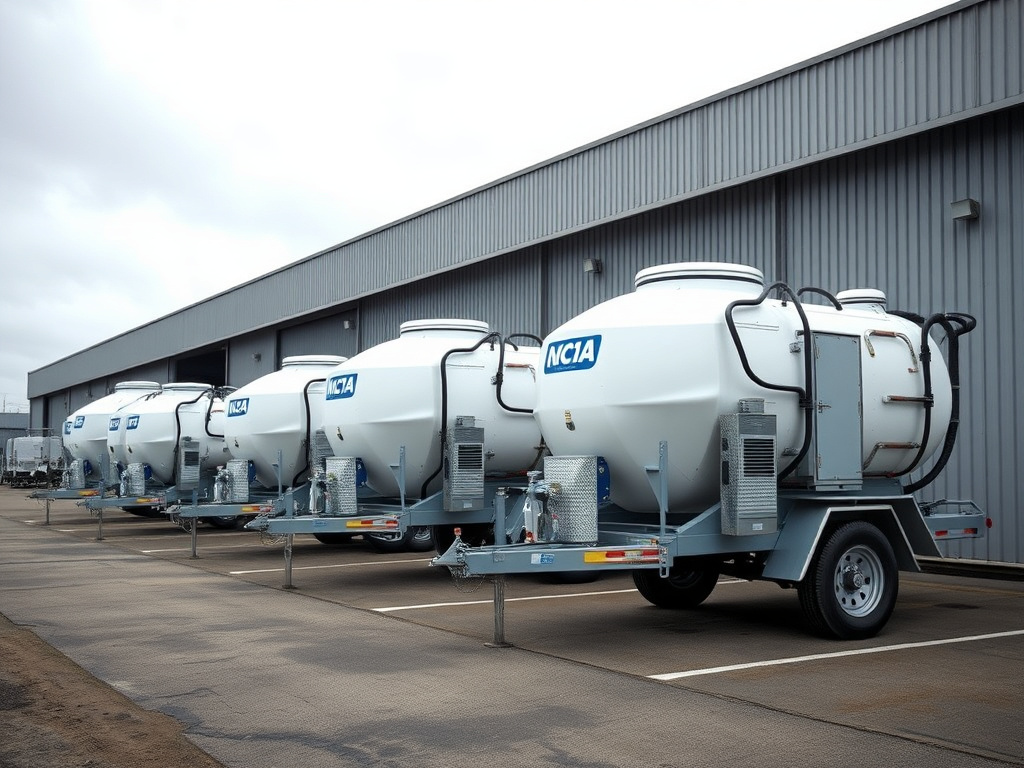
A spray foam rig is the single largest capital purchase most contractors make in this trade, and it's also the decision with the longest tail — a poorly matched rig doesn't just cost you more upfront, it constrains your job mix, your crew size, and your growth trajectory for years afterward. This guide walks through every major decision point: proportioner platform, rig configuration, output sizing, generator capacity, new versus refurbished, and financing — in the order most contractors actually need to work through them.
Start With Your Job Mix, Not the Spec Sheet
The most common mistake in rig buying is starting with equipment specs before honestly answering a more basic question: what does your actual job pipeline look like? A contractor doing mostly residential attic and rim-joist work has fundamentally different rig requirements than one bidding commercial roofing and warehouse shells. Before comparing a single proportioner spec sheet, write down your typical job size in board feet, your average jobs-per-week, and how much of your work is interior versus exterior application. That single page of notes will eliminate more wrong-fit equipment options than any brand comparison will.
It's tempting to buy for the job you hope to land next year rather than the jobs you're actually running today. Sizing a rig — and the payment that comes with it — around aspirational volume rather than proven volume is the single biggest driver of rig-related financial stress we see among growing contractors. Buy for today's pipeline with reasonable room to grow, not for the pipeline you're hoping to build.
Proportioner Platform: Graco vs. PMC/Gusmer
The two dominant proportioner platforms in the U.S. market are Graco's Reactor line and PMC/Gusmer's PH series. Both are proven, widely serviced systems capable of covering the full range of residential through commercial output needs. Graco's digital ratio and temperature monitoring gives newer operators a real diagnostic advantage and benefits from the broadest trained-technician network nationally — a practical edge if your rig goes down in a market without a lot of specialized service options nearby. PMC/Gusmer's mechanical, positive- displacement pump design trades that digital layer for straightforward field serviceability, which experienced techs with a strong mechanical background often prefer. Neither platform is the wrong choice; the better question is which service and repair model fits how your business actually operates. We cover this comparison in full detail in our Graco vs. PMC/Gusmer breakdown.
Rig Configuration: Trailer, Truck-Mounted, or Slide-In
| Product | Output | Hose Length | Best For |
|---|---|---|---|
| Enclosed Trailer | 15–25 lbs/min | Up to 300 ft | Full-time crews, mixed job types |
| Truck-Mounted | 15–20 lbs/min | Up to 250 ft | Tight residential jobsites |
| Slide-In Unit | 8–12 lbs/min | Up to 150 ft | Attics, rim joist, second rig |
An enclosed trailer rig is the default for most growing operations — everything lives inside a weatherproof box that tows behind whatever truck you already own, and the rig can be resold or repowered independently of the tow vehicle. Truck-mounted rigs bolt equipment directly into a box truck or flatbed, sacrificing some flexibility in exchange for a tighter footprint on residential jobsites and faster hookup between stops. Slide-in units are the leanest option — compact and well suited to smaller attic and rim-joist jobs, or as an efficient second rig for overflow capacity without the overhead of a full second trailer.
Sizing Output to Your Crew, Not Your Ambitions
A rig rated for 15–20 lbs/minute keeps a two-person residential crew moving efficiently without excessive idle time between sets. Larger commercial-volume rigs pushing 25+ lbs/minute make sense once you're regularly bidding warehouse roofing or large commercial shells — but buying more output than your typical job supports mostly adds fuel cost, generator draw, and maintenance complexity without a proportional revenue gain. Match the rig to your real job mix. If commercial work becomes a bigger share of your pipeline later, that's a strong case for a second, higher-output rig rather than replacing your primary one.
Generator Sizing
Onboard generator capacity needs to comfortably cover your proportioner's peak draw plus any auxiliary equipment — lighting, air compressors for supplied-air PPE, and hand tools — with headroom to spare rather than running at the ragged edge of capacity all day. Undersizing a generator is a common cost-cutting mistake that shows up later as inconsistent heater performance on the hose, which directly affects chemical viscosity and spray ratio at the gun. When comparing rig packages, check the actual generator kW rating against your proportioner's full-load draw specification rather than assuming the bundled generator is automatically sized correctly for your setup.
New vs. Refurbished: A Real Comparison
A new rig comes with full manufacturer warranty terms and zero unknown history — valuable if the rig is your sole source of income from day one and you can't absorb unplanned downtime while a problem gets diagnosed. A properly inspected refurbished rig can cut 30–40% off the entry price while still delivering years of reliable service, provided the seller actually performs a real inspection — a pump ratio test under load, hose and heater inspection, generator service — rather than a pass-by-appearance listing. Ask specifically what testing was performed and what warranty, if any, comes with the unit before buying refurbished from anyone.
Most growing contractors buy new for their primary rig and add a refurbished unit as a second or backup rig once cash flow supports it — this spreads capital risk without sacrificing uptime on the rig your revenue actually depends on. If you're buying your very first rig with no existing equipment as a fallback, weigh the refurbished discount against your actual tolerance for unplanned downtime before committing to save the money.
Financing: What It Actually Costs to Own
Most contractors finance a rig purchase rather than paying cash, which preserves working capital for chemical inventory, payroll, and job float — expenses that generate near-term revenue rather than sitting depreciated in a paid-off trailer. Lease-to-own structures typically require a smaller upfront commitment and suit newer businesses without extensive credit history; term financing (a standard equipment loan) usually costs less over the life of the loan for buyers who qualify, with ownership transferring immediately. We cover the underwriting details, what lenders actually look for, and how to size a payment against realistic (not best-case) job volume in our dedicated financing guide.
Parts Availability: The Cost of Ownership Nobody Budgets For
The purchase price of a rig is only part of its real cost of ownership — parts availability and turnaround time matter just as much over the equipment's working life. A rig sitting idle waiting a week for a mix chamber costs more in lost job revenue than the part itself ever would. Before committing to a platform, confirm realistic parts lead times for your region, not just the national average, and consider stocking a basic truck-level parts kit — mix chamber, o-rings, an inline filter — from day one so a worn wear part doesn't stall a full crew on a Saturday when a supplier is closed.
Pre-Purchase Checklist
- ✓ Documented your typical job size, weekly volume, and interior/exterior split
- ✓ Compared Graco vs. PMC/Gusmer against your service network and repair preference
- ✓ Chosen a configuration (trailer, truck-mounted, slide-in) matched to your typical jobsite
- ✓ Confirmed generator sizing against full proportioner load plus auxiliary equipment
- ✓ Decided new vs. refurbished based on your downtime tolerance and available capital
- ✓ Sized a financing payment against a conservative average month, not your best month
- ✓ Confirmed realistic parts lead times for your region
- ✓ Budgeted a starter truck-stock parts kit alongside the rig purchase
Common First-Rig Mistakes
The most frequent regret we hear from contractors on their second rig purchase is buying too much output capacity too early — a bigger rig sounds like a growth investment, but if your actual job mix doesn't support it, you're carrying extra fuel cost, maintenance complexity, and financing payment for capacity you rarely use. The second most common regret is skipping a real inspection on a refurbished unit and discovering pump or heater issues only after the first cold-weather job. Both mistakes trace back to the same root cause: deciding on equipment before honestly mapping out the job pipeline that equipment needs to support.
When to Add a Second Rig Instead of Replacing Your First
Once you're consistently turning down jobs or stacking a backlog because a single rig can't keep up, that's usually a stronger signal for a second rig than for upgrading your existing one — a second rig doubles your crew capacity and gives you built-in redundancy if one unit goes down for service, rather than putting all your output capacity behind a single point of failure. This is also where a slide-in or truck-mounted second unit often makes more financial sense than a matching second trailer rig, since it can be sized specifically to handle overflow job types rather than duplicating your primary rig's full capability.
Rig Buying FAQs
How much does a new spray foam rig typically cost?+
Pricing varies significantly by configuration and output capacity. Request contractor pricing with your specific job requirements for an accurate quote across new and refurbished options.
Is a truck-mounted or trailer rig better for a first-time buyer?+
Most first-time buyers choose an enclosed trailer rig for its flexibility — it can be towed by different vehicles and resold independently. Truck-mounted rigs suit contractors who specifically need a tighter footprint for residential jobsites.
How long does it take to learn to operate a new rig?+
Experienced operators typically adapt to a new rig within a few weeks of regular use, though switching proportioner platforms (e.g., mechanical to digital) can extend that adjustment period slightly.
Should I buy the same brand as my existing rig for a second unit?+
Standardizing on one platform simplifies your parts inventory and crew training, but isn't required — some contractors intentionally diversify to compare platforms or take advantage of a specific deal.
What's a realistic timeline from order to delivery on a new rig?+
Timelines vary by configuration and current inventory. Submit a quote request for a specific delivery estimate based on the rig you're considering.
Ready to Spec Your Rig?
Tell us your job mix and crew size and we'll recommend a configuration, platform, and financing path that fits.